
The integration of technology in construction material testing has ushered in a new era of advancement within the industry. With the evolution of automation, AI, and IoT devices, the landscape of material testing has been reshaped. Processes that were once labor-intensive and time-consuming have now become streamlined and efficient. The implications of these technological advancements extend beyond just productivity. They have the potential to redefine the standards of quality universal testing machine utm, safety, and sustainability within construction projects. As we delve deeper into the impact of these innovations, a clearer picture emerges of the transformative power technology holds in shaping the future of construction material testing.
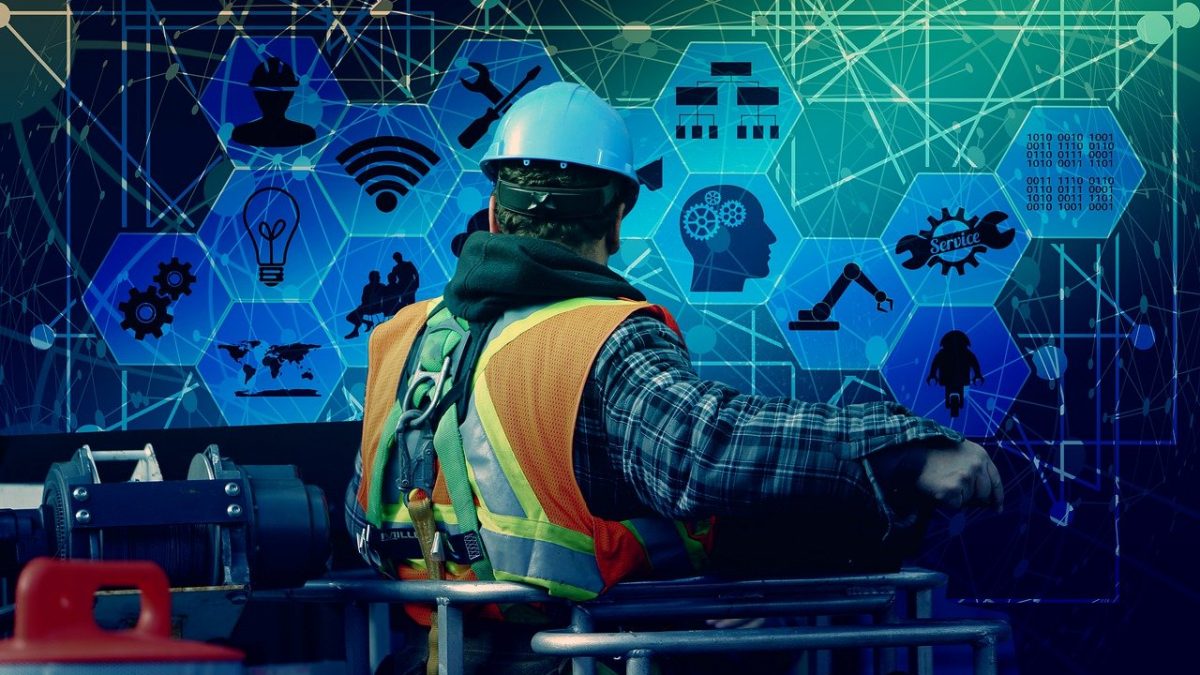
Automation in Sample Collection
Occasionally, the integration of automated processes in sample collection has revolutionized the efficiency and accuracy of material testing in the construction industry. Automated sample collection systems utilize robotics and sensors to streamline the process of gathering, handling, and analyzing samples universal testing machine utm. These systems can be programmed to collect samples at designated intervals, ensuring a consistent and reliable data stream for analysis. By automating this aspect of material testing, construction companies can significantly reduce the time and labor required for sample collection, allowing for more frequent and thorough testing without increasing costs.
Furthermore, automated sample collection minimizes the potential for human error, ensuring greater accuracy in test results. The precision of these systems also allows for a higher volume of samples to be collected and tested, providing a more comprehensive understanding of the material properties being analyzed. Overall, the integration of automation in sample collection represents a significant advancement in construction material testing, offering improved efficiency, accuracy, and data quality for construction projects.
Enhanced Data Accuracy With Sensors
How do sensors enhance data accuracy in construction material testing processes?
Sensors play a crucial role in enhancing data accuracy by providing real-time monitoring and precise measurements during material testing. These advanced devices can detect and record various parameters such as temperature, pressure, humidity, and strain with high levels of accuracy. By continuously collecting data throughout the testing process, sensors eliminate the risk of human error and ensure consistent and reliable results.
Moreover, sensors enable automated data collection, reducing the time and effort required for manual recording. This automation not only enhances efficiency but also minimizes the likelihood of inaccuracies associated with manual data entry. Additionally, sensors can detect subtle changes in material properties that may go unnoticed by human operators, further improving the overall accuracy of test results.
Augmented Reality for Inspections
Augmented reality (AR) technology offers construction material testing professionals the ability to conduct enhanced visual inspections with augmented overlays, improving the accuracy and efficiency of the inspection process.
By utilizing AR, inspectors can streamline defect identification by overlaying real-time data onto physical structures, allowing for quick and precise analysis.
This technology enhances the overall inspection process by providing a more detailed and interactive assessment of construction materials, ultimately leading to improved quality control and project outcomes.
Enhanced Visual Inspections
The integration of augmented reality technology into visual inspections has revolutionized the efficiency and accuracy of construction material testing processes. Augmented reality overlays digital information onto the real-world environment, providing inspectors with enhanced visuals and data in real-time.
This technology enables inspectors to superimpose construction plans, specifications, or other relevant information onto the physical materials being tested, allowing for immediate comparisons and analysis. By utilizing augmented reality for inspections, inspectors can quickly identify potential issues, compare materials against standards, and make informed decisions on the spot.
This enhanced visual inspection capability not only streamlines the testing process but also improves the overall quality control and assurance in construction projects.
Streamlined Defect Identification
Utilizing augmented reality technology in inspections enhances defect identification by providing real-time overlay of digital information onto physical materials, facilitating immediate comparisons and analysis. This technology allows inspectors to superimpose design plans, structural models, or past inspection data onto the current physical environment, enabling them to detect defects more accurately and efficiently.
By visualizing digital information directly on the construction site, inspectors can quickly pinpoint discrepancies between the intended design and the actual implementation, leading to faster decision-making processes. Augmented reality streamlines defect identification by offering a comprehensive view of the project, reducing the risk of overlooking critical issues and ensuring that construction materials meet quality standards.
This innovative approach not only improves inspection accuracy but also enhances overall project efficiency and safety.
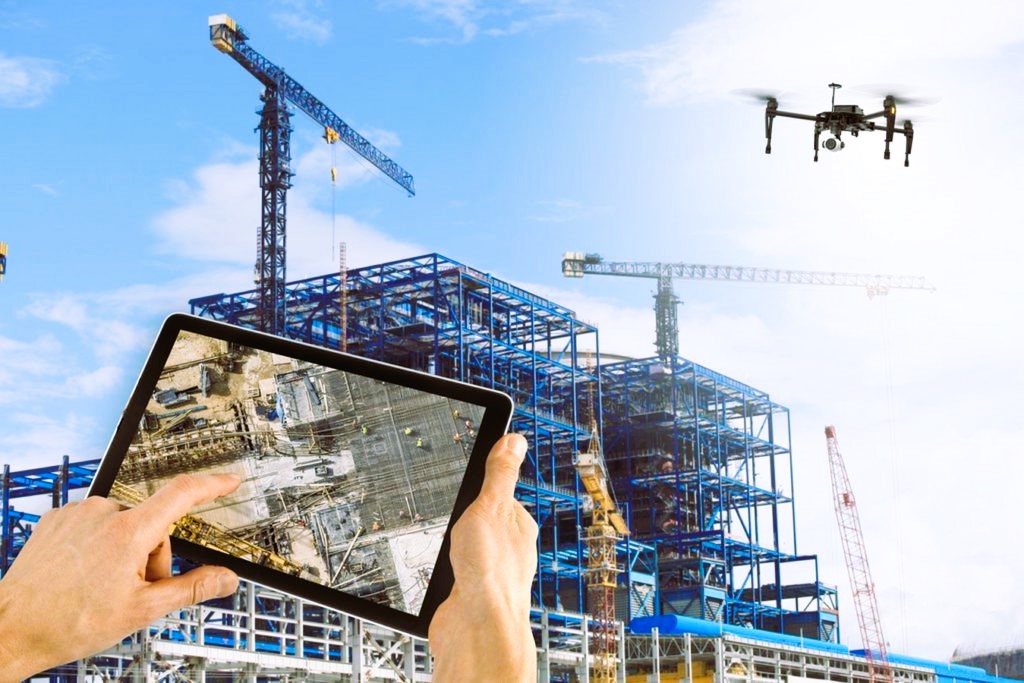
Integration of AI in Analysis
Incorporating artificial intelligence into construction material testing analysis revolutionizes the efficiency and accuracy of data interpretation. AI algorithms can process vast amounts of data in a fraction of the time it would take a human analyst, leading to quicker and more precise results. Through machine learning, AI systems can continuously improve their performance by learning from previous data analysis, enhancing the overall quality of material testing. This integration allows for the identification of complex patterns and correlations that may not be easily discernible to the naked eye, providing deeper insights into the characteristics and behavior of construction materials.
Moreover, AI in material testing analysis can help in predictive maintenance by forecasting potential issues based on historical data, enabling proactive measures to be taken to prevent failures or defects. This proactive approach can significantly reduce downtime, maintenance costs, and enhance overall project efficiency. By leveraging AI technology in material testing analysis, construction companies can make more informed decisions, improve project outcomes, and ensure the durability and safety of structures.
Remote Monitoring Solutions
Building on the advancements in AI technology for material testing analysis, the implementation of remote monitoring solutions in construction projects offers real-time insights into the performance and condition of structures. These solutions involve the use of sensors and data analytics to continuously monitor various aspects such as temperature, humidity, vibration, and structural stability. By collecting and analyzing this data in real-time, construction teams can detect potential issues or anomalies promptly, allowing for timely intervention and maintenance to prevent costly damages or failures.
Remote monitoring solutions enable project managers and engineers to access critical information about the construction site from anywhere, providing a level of freedom and flexibility that was previously unattainable. Moreover, these technologies help in optimizing construction processes by identifying areas for improvement and enhancing overall project efficiency. With the ability to monitor multiple parameters simultaneously, remote monitoring solutions play a crucial role in ensuring the safety, durability, and quality of construction projects.
3D Printing for Prototyping
The application of 3D printing technology for prototyping in construction material testing has revolutionized the way structures are analyzed and evaluated for performance and durability. 3D printing allows for the creation of precise physical models of construction materials, enabling engineers and researchers to conduct thorough testing and analysis before full-scale production. This technology offers a cost-effective and time-efficient method for producing prototypes with complex geometries that accurately represent the final product.
By using 3D printing for prototyping in construction material testing, researchers can assess the structural integrity, load-bearing capacity, and durability of materials in a controlled environment. This process helps identify potential weaknesses or areas for improvement early in the development phase, ultimately leading to more robust and reliable construction materials.
Furthermore, 3D printing enables customization and rapid iteration of prototypes, allowing for quick adjustments based on test results. This iterative approach enhances the overall quality and performance of construction materials, leading to safer and more durable structures in the built environment.
IoT Devices for Real-Time Monitoring
How can IoT devices enhance real-time monitoring in construction material testing processes?
IoT devices offer a revolutionary approach by providing continuous data collection and analysis. These devices can be embedded in construction materials or equipment to monitor various parameters such as temperature, pressure, humidity, and structural integrity in real-time. Through wireless connectivity, data is transmitted to a central system where it is processed and analyzed instantly. This real-time monitoring enables early detection of potential issues, allowing for timely interventions to prevent costly damages or failures.
Moreover, IoT devices can offer predictive maintenance capabilities by utilizing machine learning algorithms to predict when maintenance is needed based on the collected data. This proactive approach minimizes downtime and increases the lifespan of equipment. Additionally, the data gathered from IoT devices can be used to optimize construction processes, improve efficiency, and ensure compliance with quality standards.
Cloud-Based Collaboration Tools
Implementing cloud-based collaboration tools in construction material testing processes enhances communication efficiency and data sharing among project stakeholders. These tools provide a centralized platform where team members can access, share, and collaborate on testing data in real-time, regardless of their physical location. By utilizing cloud-based solutions, such as project management software and document sharing platforms, stakeholders can streamline workflows, track project progress, and ensure transparency throughout the testing phase.
Cloud-based collaboration tools offer features like version control, task assignment, and real-time notifications, improving overall project coordination and reducing the risk of errors or miscommunications. Additionally, these tools enable instant access to critical information, such as test results, reports, and project timelines, empowering stakeholders to make informed decisions promptly.
Moreover, cloud-based platforms enhance data security by providing robust access controls, encryption protocols, and automated backups, safeguarding sensitive testing data from unauthorized access or loss. By embracing cloud-based collaboration tools, construction material testing projects can achieve higher levels of productivity, efficiency, and collaboration among all involved parties.
Conclusion
In conclusion, the integration of technology in construction material testing has brought about significant advancements in efficiency, accuracy, and reliability. Automation, sensors, augmented reality, AI, remote monitoring, 3D printing, IoT devices, and cloud-based collaboration tools have collectively revolutionized the industry.
These innovations have streamlined processes, improved data accuracy, enabled real-time monitoring, and enhanced project coordination.
The impact of technology on construction material testing is undeniable, leading to improved quality and performance in the field.